Step #4: Repentance — Change the Tune, Not Just the Chorus
If confession is admitting the lyrics were wrong, repentance is rewriting the song.
In his 1995 Million Man March message, Minister Farrakhan said that atonement is “a process that brings us into perfect union with God.” Repentance is the heartbeat of that process — the turning point where intention becomes transformation.
What Repentance Means
Repentance is not just feeling sorry; it’s being different. It’s deciding that guilt will no longer be your lifestyle brand.
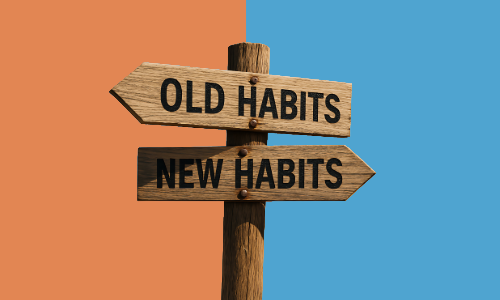
It means looking at the same crossroads and choosing a new road — one with fewer ego detours and more discipline.
“We must change… and become new creatures, fit for the kingdom of God.”
— Hon. Minister Louis Farrakhan, Million Man March
What It Looks Like in Practice
-
You stop explaining the wrong and start un-doing it.
-
You apologize once, then prove it repeatedly through consistency.
-
You realign your habits, your tone, your time — not to impress others, but to honor truth.
Imagine someone saying, “I used to react out of pride, but now I pause before I speak.” That’s repentance at work — subtle, sincere, and visible.
Why It’s a Challenge
Because the old way is comfortable. Pride whispers, “Just say you’ve changed — no need to actually do it.” But repentance calls our bluff. It demands movement.
Minister Farrakhan framed repentance as action — the living evidence of confession. Without it, we’re just actors delivering emotional monologues.
The Renewal It Brings
Repentance frees you from the cycle of guilt and apology. It restores integrity. It softens what hardness once protected. And in that quiet newness, grace slips in — not because we earned it, but because we made room for it.